
Why a Practical Multi-Chain Browser Wallet Actually Matters Right Now
Wow, this feels huge. I opened a browser extension and my first impression was sharp. It felt faster than I expected and less fragile. Initially I thought extensions were a security tradeoff, but after trying specific multi-chain flows I saw a clearer, more pragmatic balance emerge between usability and safety. On one hand, the convenience of having quick network switches and contract interactions inside the browser is seductive, though actually the real test is how the wallet handles edge-cases like signature prompts and token approvals when things go sideways.
Seriously, check this out. My instinct said ‘caution’ the first time a dApp asked for broad permissions. But I also wanted the workflow to feel natural, not clunky or overbearing. So I dug in and started testing approval granularity, the speed of transaction confirmations, and how the extension represented unknown contracts and token allowances across multiple chains, because that’s where trust is built or lost. Something felt off about many wallets that pretend to be ‘multi-chain’ yet hide crucial information or require awkward network hops, and this is exactly the friction rabby wallet tries to remove without sacrificing security or transparency.
Whoa, not kidding. I tracked interactions across Ethereum, BSC, Polygon, Avalanche, and a testnet or two. Performance varied, but the thoughtful UI cues helped me avoid dumb mistakes. A good wallet is less about flash and more about how it surfaces risk — what does it show me when a contract approval would let someone spend my tokens forever, and can I fix it with a few clicks without panicking? On the analytical side, I measured RPC switching times, gas estimation accuracy, and how the extension handled chain reorgs and nonce issues, and the results pointed toward sensible defaults paired with granular controls.
Hmm… I like it. Okay, so check this out—there’s a feature set here that feels curated not cluttered. I’ll be honest, some parts still bug me, like token import and UI lag. Initially I thought adding multisig and hardware support would complicate the UX, but then I realized careful defaults and progressive disclosure can make advanced features approachable for power users without scaring newcomers. On one hand it’s tempting to pile on capabilities, though actually the better move is to design each feature with failure modes in mind so people can recover or abort safely.
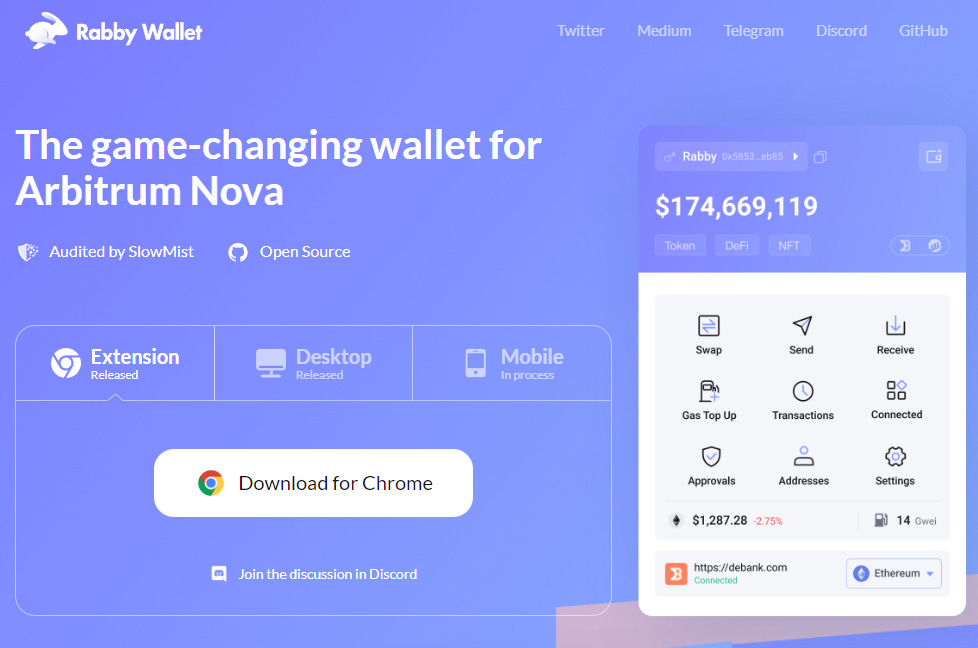
Practical choices that change behavior
Really, this surprised me. Security models and fail-safes matter more than aesthetics for me. My testing included permission revocation, hardware wallet integration, and phishing resistance heuristics. I also watched how transactions were batched and how the wallet represented gas spikes and EIP-1559 fee suggestions during congested periods, which is crucial if you’re moving value across chains and need predictable outcomes. There were edge-cases — token lists that mislabelled assets, RPC endpoints that timed out, and a few malformed contract errors — but the ability to inspect raw calldata and revert to a manual nonce fix saved the day more than once.
Here’s the thing. I’m biased, but I’ve favored wallets that show you things up front. This helps avoid the reflexive ‘approve’ behavior that costs users dearly. Actually, wait—let me rephrase that: it’s not enough to surface risk, you need nudges and quick remediation paths, like one-click approval revocation or per-spend caps, so people can act without digging into obscure settings, which is very very important. On the analytics front, the wallet’s telemetry (when enabled) gave reasonable signals about failed RPCs and dropped txs without leaking personal data, though privacy-conscious users should audit what is being sent back to servers. Still, for users who want a pragmatic, UI-driven multi-chain experience with sensible defaults and advanced tools tucked behind progressive disclosure, rabby wallet makes a compelling case and is worth a serious look.
Whoa, that was slick. There’s also device support worth noting, like seamless hardware pairing and mnemonic import/export options. I found the transaction simulation helpful for avoiding failed swaps. On one hand, simulations can lull you into overconfidence when they rely on static state snapshots; on the other hand, they catch common heuristics like front-running slippage and insufficient approvals, so the balance matters. My instinct said ‘this is a step forward’ because a multi-chain wallet’s core promise is to make cross-chain interactions feel native, while still reflecting the inherent complexity of DeFi so people don’t get surprised.
I’m not 100% sure. There are still questions around cross-chain bridging UX and approval propagation. I’m cautious about centralized RPC providers and encourage configuring your own nodes if you can. On a higher level, the ecosystem needs standards for approvals and revoke flows so that wallets can interoperate and provide users consistent, recoverable experiences across networks, which would reduce losses from accidental unlimited allowances. Still, for many DeFi users looking for a balance of power and clarity, a focused extension with good defaults and visible controls is a strong starting point.
FAQ
Is it secure?
Mostly, yes, if you follow best practices like using hardware keys and reviewing approvals; somethin’ as simple as a bad RPC can undermine safety, so vigilance pays off.


Leave a Reply