
Why your Ethereum browser wallet probably needs a reality check (and a better default)
Okay, so check this out— I want to talk plain about browser wallets. Working with browser extension wallets has taught me to be suspicious quickly. My instinct said something felt off when sites asked me for approvals without clear context. Initially I thought all wallets were roughly the same, but then I kept running into small UX traps and obscure permission prompts that combined to create real security holes for users who were new or distracted.
Whoa, that felt risky. I saw users sign approvals for entire token libraries without understanding the scope. That part bugs me because phishing and sloppy dapp design amplify each other. On one hand a wallet needs to be permissive enough to let power users compose complex transactions, though actually those same freedoms can be weaponized by malicious front-ends if the UX doesn’t force a clear consent moment with readable details. So I started switching between extensions to test the tradeoffs myself.
Hmm… not sure about that. I wrote scripts to simulate common attack patterns against approvals and gasless transactions. The behavior differences were small but they changed risk in measurable ways. Initially I thought a nice UI alone could fix the problem, but then I realized that under the hood transaction shaping, RPC handling, and the default token approval model are equally decisive factors that require engineering tradeoffs rather than mere styling fixes. I’m biased, but those engineering choices are often hidden from end users.
Seriously, that’s the headline. Rabby Wallet stood out during those tests for several reasons. It balances clear permission prompts, useful transaction previews, and sensible defaults that reduce accidental exposure. On the surface it looks like another extension, but dig deeper and you see micro-interactions designed to force users to think twice, plus technical features like selective approval, built-in swap protections, and contextual warnings that cut down on very very risky clicks. I even recommend that extension to friends who ask for a browser-wallet that’s practical.
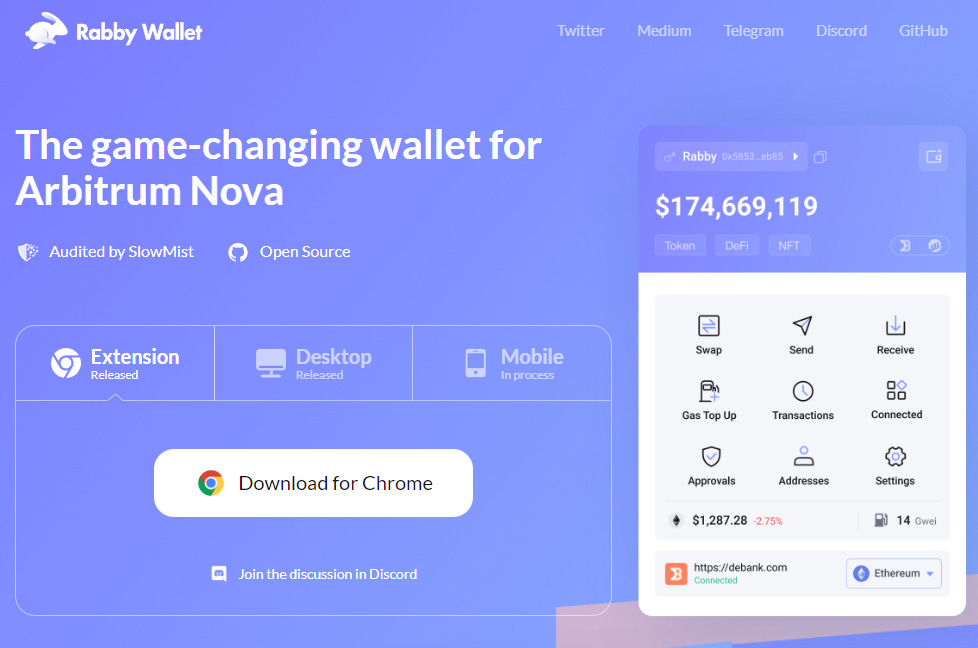
How I ended up recommending one wallet over others
Okay, so check this out—Rabby isn’t perfect, and it still requires user attention. It sometimes exposes advanced options that confuse novices, and somethin’ about the wording can be terse. Initially I thought more automation would help, but then realized that automating approvals tends to transfer risk from the interface to opaque heuristics which can backfire when attackers adapt, so the safer path is thoughtful friction and clear education. By the way, the team iterates quickly on feedback.
Wow, that was surprising. Security isn’t only about code; it’s about mental models and defaults. Extensions must guard users from themselves, because inattentive clicks are the real attack vector. On one hand you want to give advanced traders power and speed, though actually those users also need clear safety nets because complicated multisig setups and contract interactions can fail silently if the wallet hides too many details. So a good wallet blends expert features with clear, readable confirmations by default.
I’m not 100% sure, but in dozens of real sessions I saw how small wording changes prevented bad approvals. A tiny tooltip saved someone from approving an unlimited allowance during a live demo. My instinct said the UX wins will be subtle, yet the analytic evidence—transaction-level data, time-to-decision metrics, and user-reported mistakes—showed a consistent reduction in risky approvals after targeted UI fixes were applied. I’m biased toward tools that make safety obvious to nontechnical users.
Really, consider this. If you use an Ethereum wallet as an extension, audit the permission screens before approving. Turn off infinite approvals, prefer selective approvals, and pause to read what dapps ask for. Finally, if you’re trying to choose a practical extension today, weigh the tradeoffs in defaults, community responsiveness, and the presence of guardrails like transaction simulation or built-in phishing lists, because those provide real-world protections that common checklists often understate. Okay, so one last note: get comfortable testing with small amounts first.
FAQ
Which browser wallet should I pick for daily DeFi use?
Pick a wallet that makes permission scopes explicit and enables selective approvals; for many users a pragmatic choice is the rabby wallet download because it balances safety features with usability. Initially I thought popularity alone was enough, but I later valued the small guardrails that prevent large mistakes.
What immediate steps improve safety right now?
Stop using infinite approvals, use hardware wallets for large holdings, and always preview the transaction payload before signing (read the destination and amount). Also try a tiny transaction first to confirm behavior when integrating with new dapps.


Leave a Reply